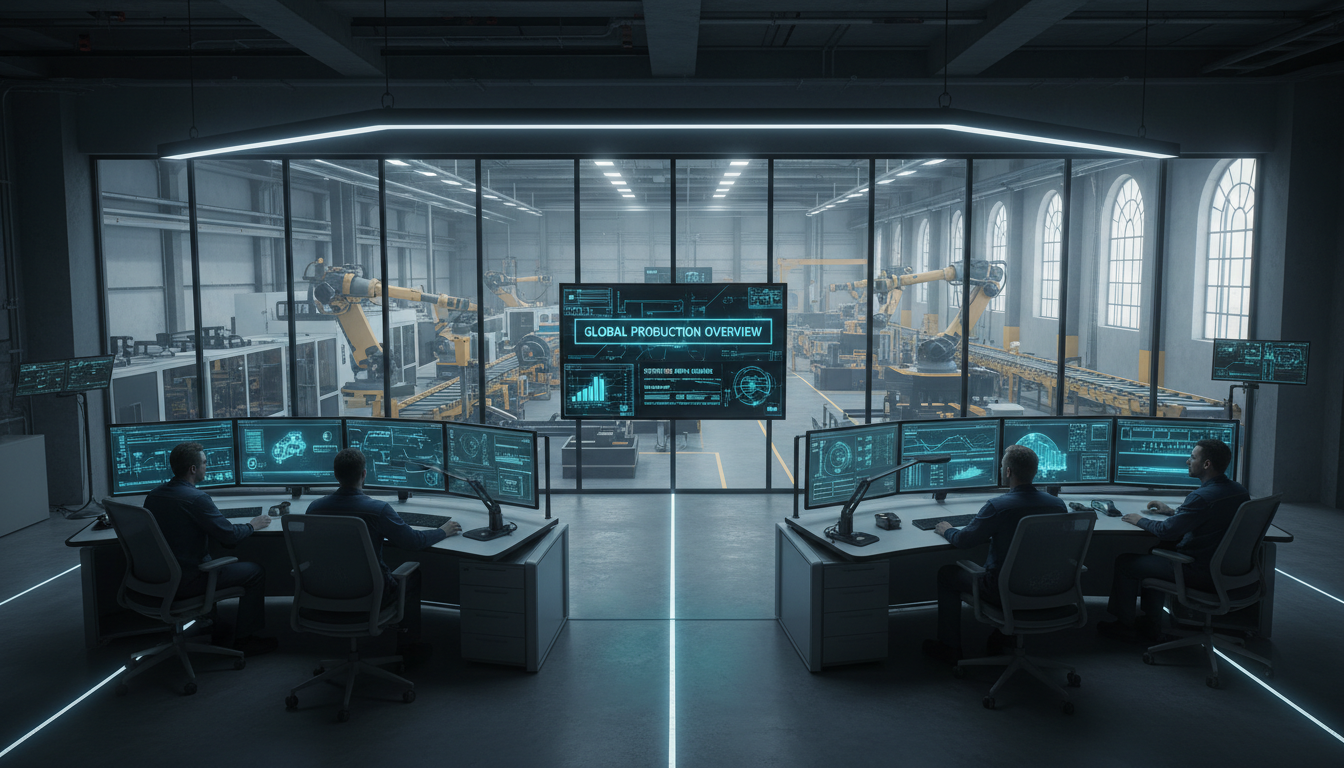
Equipment financing for small business is a targeted funding solution that allows companies to acquire essential machinery, vehicles, and technology through specialized loans or leases. These options typically provide flexible repayment terms and rapid funding amounts ranging from $20,000 to $250,000 to help businesses grow without depleting cash reserves. By selecting competitive rates from top lenders in 2026, owners can secure the tools they need to maintain a competitive advantage.
Scaling a business often hits a wall when your physical assets cannot keep pace with your ambitions. Whether you are dealing with a failing fleet or a production line that lacks modern efficiency, the capital requirement for new equipment frequently clashes with the need to maintain daily liquidity. This tension between growth and cash flow preservation is the primary hurdle for sustainable expansion in today's market. Understanding how to leverage specialized funding allows you to acquire necessary tools without depleting your operating reserves. This guide explores the strategic nuances of equipment financing in 2026. You will learn to navigate the choice between loans and leases, understand current rate structures, and identify qualifying criteria for startups or those with challenged credit. We also provide a roadmap for industry-specific applications and documentation requirements to ensure your business remains competitive.
What is Equipment Financing and How Does It Work for Small Businesses?

Equipment financing for small business functions as a specialized form of asset based lending. Unlike a general working capital loan where the lender relies primarily on your business cash flow or personal credit, this structure uses the equipment itself as the underlying collateral. The mechanics are straightforward: the lender provides the capital required to purchase or lease machinery, vehicles, or technology, and the business repays the principal plus interest over a set term.
The primary distinction between this and unsecured debt lies in the security of the physical asset. Because the lender holds a lien on the specific piece of equipment, they have the legal right to repossess it if a default occurs. This inherent security often translates to lower interest rates and more accessible terms than a standard business loan or line of credit might offer. For firms in Henderson and the greater Las Vegas area, these solutions bridge the gap between needing expensive new technology and maintaining liquid reserves.
TMH Consultancy facilitates comprehensive funding solutions that cater to diverse operational needs. In the local market, this applies to a wide spectrum of assets. A medical clinic in Henderson might use these funds for diagnostic imaging devices or dental chairs, while a construction firm in Las Vegas might acquire heavy machinery, tractors, or fleet vehicles. By leveraging small business capital specifically for equipment, owners can preserve their cash for daily operations while putting the new assets to work immediately to generate revenue.
Equipment Financing vs Leasing: Choosing the Right Path for Your Cash Flow
Deciding between a loan and a lease involves a strategic choice between long term equity and short term liquidity. While a standard equipment loan results in immediate ownership, it also carries a higher impact on the balance sheet. For many Henderson businesses, the choice often narrows down to the specific type of lease structure that best aligns with their fiscal goals.
Feature | Equipment Loan | Capital Lease ($1 Buyout) | Operating Lease |
|---|---|---|---|
Ownership | Immediate | At end of term | None (usually) |
Payments | Moderate to High | Moderate | Lowest |
Tax Benefit | Depreciation + Interest | Section 179 eligible | Operating expense |
End of Term | Fully owned | $1 purchase option | Return or FMV purchase |
A Capital Lease functions similarly to a loan; the business intends to own the asset and usually has a $1 purchase option at the end of the term. This is an excellent middle ground for companies that want the tax benefits of ownership without the steep down payment of a traditional loan. Conversely, an Operating Lease serves businesses that need to rotate equipment frequently, such as technology or specialized medical devices. Because the lender retains the residual value risk, monthly payments are typically the lowest available, supporting aggressive cash flow preservation.
The Total Cost of Ownership represents the most critical metric for mature, profitable firms. A loan generally offers the lowest lifetime cost because there is no residual value or rental premium once the term ends. However, the 2026 tax landscape provides a compelling reason to pursue ownership or capital leases through Section 179. This provision allows businesses to deduct the full purchase price of qualifying equipment in the year it is placed in service, rather than depreciating it over several years. This immediate write-off can significantly offset the cost of comprehensive funding solutions by reducing the current year tax burden.
TMH Consultancy assists clients in weighing these factors against their specific small business capital requirements. If the equipment has a long useful life and high resale value, ownership is often the logical path. If the asset will be obsolete in three years, an operating lease protects the business from being stuck with depreciated, outdated hardware.
Understanding Equipment Loan Rates and Costs in the 2026 Market
The current interest rate environment requires a clear understanding of how benchmark rates translate to real world costs. As of late 2026, the Federal Reserve has maintained the funds rate between 3.75% and 4%. However, equipment financing for small business typically carries an APR ranging from 8% to 15%, or higher for specialized scenarios. This gap exists because lenders must account for the specific risk profile of the borrower and the projected resale value of the collateral.
The final rate offered by a lender depends on four primary variables:
Credit Profile: A FICO score above 700 generally secures the lowest rates, while scores below 600 often shift the deal toward higher cost, collateral heavy lenders.
Time in Business: Firms with more than two years of operational history access better terms than new LLCs.
Equipment Age: New machinery often qualifies for lower rates and longer terms. Used equipment, especially items over seven years old, carries higher rates due to increased mechanical risk.
Down Payment: Contributing 10% to 20% of the purchase price reduces the lender’s loan to value ratio, which often triggers a rate discount.
Cost Structure | Calculation Method | Typical Usage |
|---|---|---|
Simple Interest | Based on declining balance | Established firms with strong credit |
Factor Rate | Fixed multiplier on principal | High risk deals or startups |
Owners should be cautious of "application only" programs. While these offer rapid funding with minimal documentation, the convenience usually results in a higher APR than a full disclosure loan. TMH Consultancy helps clients evaluate these comprehensive funding solutions to ensure the cost of capital does not outweigh the equipment’s revenue potential. Differentiating between simple interest and a factor rate is essential; a factor rate means you pay the full interest amount even if you pay the loan off early, significantly increasing the effective APR.
Qualifying for Equipment Financing with Bad Credit or as a Startup

Securing small business capital often feels insurmountable for those with limited operational history or a challenged credit profile. However, equipment financing for small business is structurally different from unsecured lines of credit. Because the machinery or vehicle serves as physical collateral, the lender's primary concern shifts from the borrower’s past mistakes to the asset’s current liquidation value. This inherent security allows for approvals that would be impossible with traditional bank loans.
For startups and newly formed LLCs, the lack of a two year track record is the most common hurdle. Lenders mitigate this risk by requiring skin in the game. You should anticipate a down payment of approximately 20% or a strong personal guarantee from the business owners. These measures bridge the gap between a new company’s potential and its unproven financial statements. TMH Consultancy specializes in navigating these complex scenarios for new LLCs, helping founders secure the comprehensive funding solutions necessary to launch operations without exhausting their liquid reserves.
Borrowers with sub 600 FICO scores face a different challenge, but the path to approval remains open through collateral heavy deal structures. In these cases, the lender prioritizes the hard value of the equipment. If you are purchasing a high demand asset with a slow depreciation curve, such as a tractor or specialized medical device, the strength of the collateral can outweigh a poor credit score.
Scenario | Primary Requirement | Common Mitigation |
|---|---|---|
Startup (< 2 Years) | Personal Guarantee | 10% to 20% Down Payment |
Bad Credit (< 600 FICO) | High Resale Value Asset | Additional Collateral or Shorter Term |
Limited Cash Flow | Equipment ROI Projections | Seasonal Payment Structures |
While interest rates for these riskier profiles will sit at the higher end of the 8% to 15% spectrum seen in the 2026 market, the focus remains on the asset’s ability to generate revenue. By securing the equipment now, businesses can improve their cash flow and credit standing, eventually refinancing into more favorable terms once they have established a stronger track record.
From Medical Devices to Heavy Machinery: Industry Specific Funding Solutions
The application of equipment financing for small business varies significantly depending on the technical demands and depreciation cycles of the specific industry. In the medical sector, healthcare practice funding is essential for acquiring dental chairs, digital X-ray machines, and med-spa lasers. These assets often qualify for extended terms because their clinical utility remains high over several years.
For the construction and logistics industries, the focus shifts to "yellow iron," tractors, and heavy transport vehicles. These high value assets are frequently financed through structures that account for their rugged use and resale potential. Similarly, commercial real estate firms use comprehensive funding solutions to manage the high costs of building infrastructure, such as industrial HVAC systems and elevators; these items are vital for property valuation but difficult to fund entirely out of pocket.
Financing is not limited to brand new models. Used equipment remains a primary target for firms looking to stretch their small business capital further. In these cases, lenders typically mandate a third-party appraisal. This professional valuation confirms the asset’s condition and ensures the loan amount is justified by the collateral’s current market price, providing security for both the lender and the borrower during the transaction.
How to Prepare Your Equipment Financing Application

Transitioning from selecting the right machinery to securing the capital requires a methodical approach to documentation. Lenders prioritize clarity and speed, but the depth of your preparation often dictates the terms you receive. For transactions under $150,000, many providers offer application only programs that can result in funding within 24 hours. These streamlined paths typically require only a basic credit application and recent bank statements. However, for larger capital acquisitions or more complex deals, a full disclosure package is necessary to secure the most favorable rates in the 2026 market.
Follow this checklist to streamline your submission:
Secure a Formal Quote: Obtain a pro forma invoice from your vendor that includes specific model numbers, year of manufacture, and any delivery or installation costs.
Compile Financial History: Gather the last three to six months of business bank statements, the last two years of federal tax returns, and a current year to date Profit and Loss statement and Balance Sheet.
Audit Credit Scores: Review both your personal FICO and business credit reports to identify and resolve any errors before the lender begins their underwriting process.
Define ROI: Document exactly how the equipment will generate revenue or reduce costs. Lenders are more likely to approve equipment financing for small business when the asset pays for itself through increased production or efficiency.
TMH Consultancy provides high level consultative support throughout this preparation phase, ensuring your small business capital application is positioned for maximum approval rates. By vetting your comprehensive funding solutions package before submission, we help you navigate the nuances of documentation requirements to avoid the common delays inherent in incomplete filings.
Securing the right equipment financing in 2026 depends on balancing your immediate cash flow with your future growth goals. Whether you choose a flexible lease or a traditional loan, understanding the fine print ensures your business remains competitive. If you feel overwhelmed by the technicalities or want expert help to find the best fit for your unique situation, our team is here to guide you. You can explore our services to see how we help small businesses thrive through strategic financial planning.